Ceramic vs Stainless Steel Cookware: Which One Is Better for Your Kitchen?
Choosing the right cookware isn’t just about price or brand—it directly affects how your food cooks, how safe your meals are, and how long your pots and pans will actually last. If you’re trying to decide between ceramic vs stainless steel cookware, you’re not alone. This is one of the most common questions home cooks ask when replacing non-stick pans or setting up a new kitchen.
At first glance, ceramic cookware looks like the healthier, easier option with its smooth non-stick surface and minimal oil requirement. Stainless steel, on the other hand, is praised by chefs for its durability, heat control, and long-term performance—but often criticized for food sticking and a steeper learning curve. So which one is truly better for everyday cooking?
The honest answer is: it depends on how you cook, what you value most, and how long you want your cookware to last. Each material has clear strengths, real limitations, and specific use cases where it shines.
In this guide, we’ll break down the real differences between ceramic and stainless steel cookware—from health and safety to cooking performance, durability, maintenance, and cost over time. By the end, you’ll know exactly which option fits your cooking style and whether you should choose convenience or long-term versatility for your kitchen.
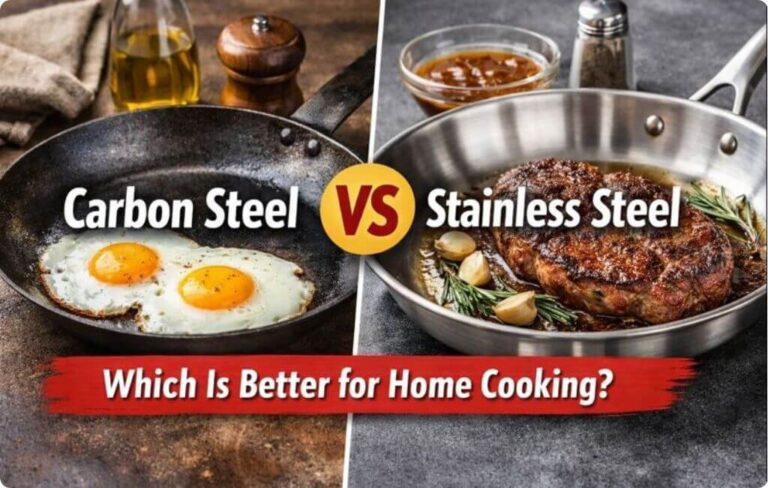
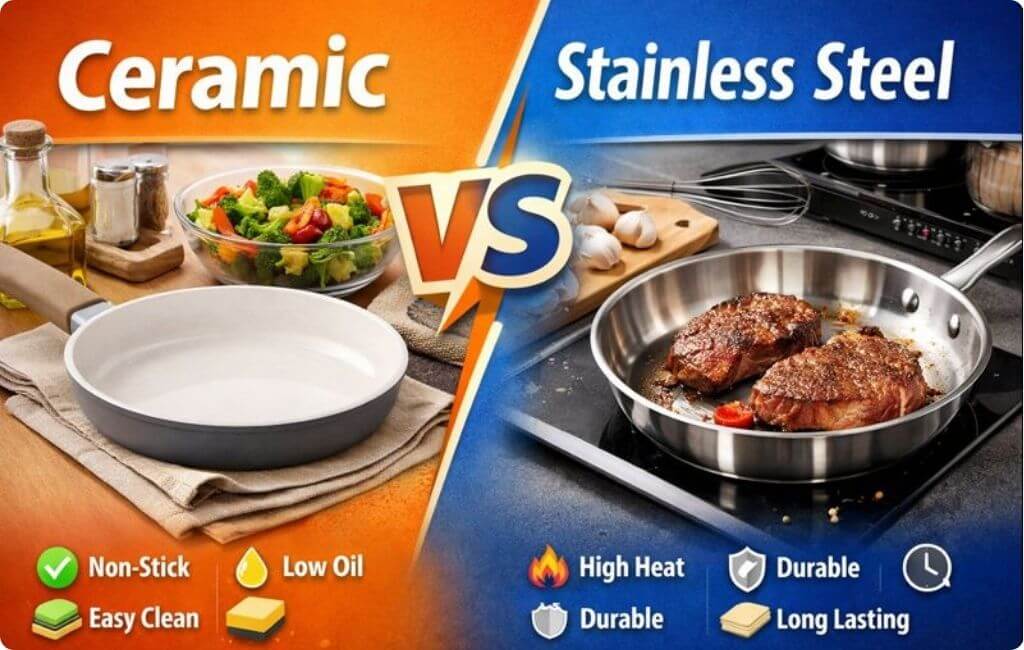
Ceramic vs Stainless Steel Cookware: Comparison Table
| Feature | Ceramic Cookware | Stainless Steel Cookware |
| Material | Ceramic-coated surface over aluminum or steel | Solid stainless steel, often multi-ply |
| Cooking Surface | Naturally non-stick | Not non-stick (can be seasoned) |
| Ease of Cooking | Very easy, beginner-friendly | Requires technique to prevent sticking |
| Oil Usage | Minimal oil needed | Moderate oil recommended |
| Heat Tolerance | Low to medium heat | High heat safe |
| Heat Distribution | Even, but slower response | Excellent with multi-ply construction |
| Food Sticking | Rare (when coating is intact) | Common if used incorrectly |
| Durability | Coating wears over time | Extremely durable |
| Average Lifespan | 1–3 years | 10–20+ years |
| Health & Safety | No PTFE or PFOA | Generally safe; trace nickel possible |
| Metal Leaching Risk | None | Very low (safe for most users) |
| Cleaning & Maintenance | Very easy, hand wash preferred | Easy but may require soaking |
| Dishwasher Safe | Sometimes (not recommended) | Yes |
| Oven Safe | Limited (varies by brand) | Yes (including broiler safe) |
| Induction Compatible | Only if magnetic base | Yes |
| Weight | Lightweight | Heavier |
| Scratch Resistance | Low | Very high |
| Price Range | Budget to mid-range | Mid-range to premium |
| Long-Term Value | Lower | Excellent |
| Best For | Quick meals, low-oil cooking | Serious cooking, long-term use |
What Is Ceramic Cookware?
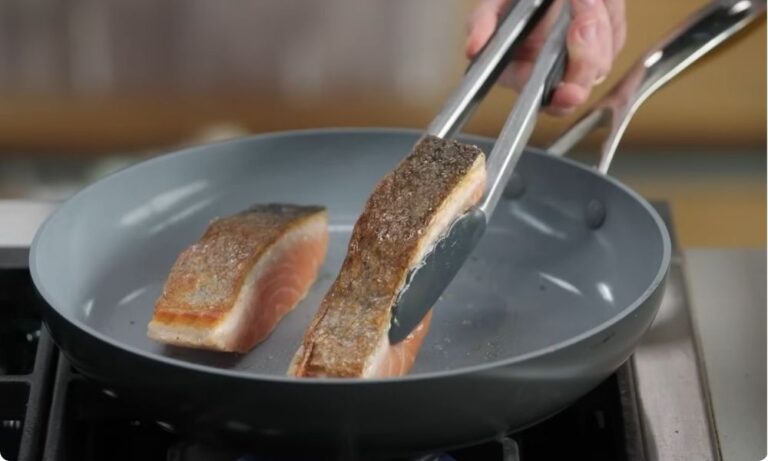
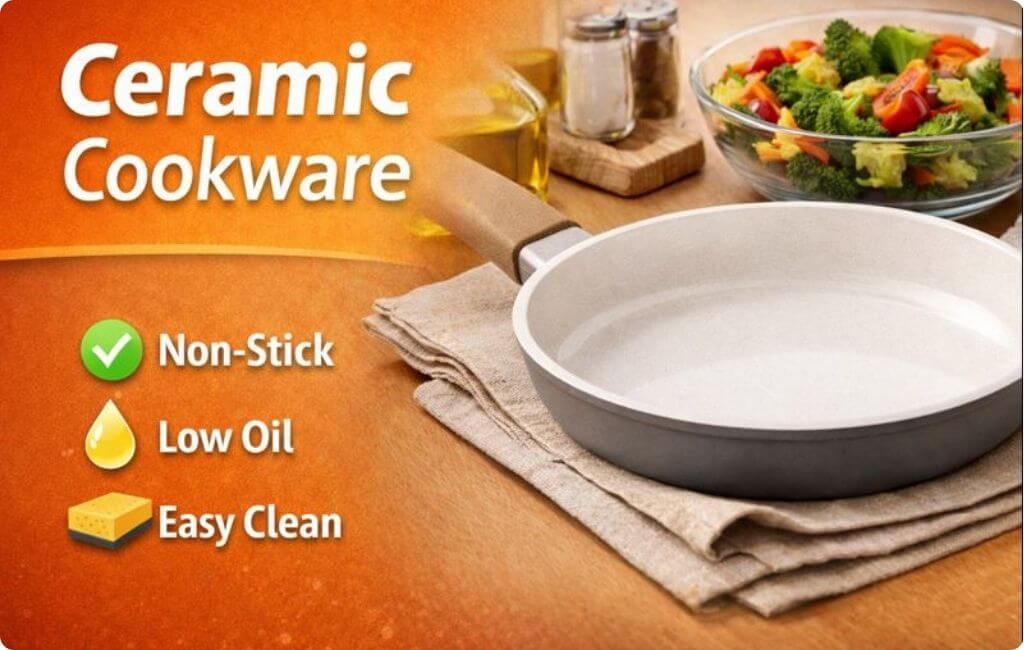
Ceramic cookware is a type of pan or pot that has a smooth, non-stick surface. Food slides easily, and you usually don’t need much oil or butter when cooking. Because of this, many people choose ceramic cookware for easy cooking and quick cleanup.
Most ceramic cookware is not made entirely of ceramic. Instead, it has a ceramic coating applied over a metal base, usually aluminum. This design helps the pan heat evenly while keeping the surface non-stick.
How Ceramic Cookware Is Made
- Metal base: The pan starts with a base made from aluminum or steel. This helps the pan heat up quickly and evenly.
- Ceramic coating: A ceramic-based coating is applied to the cooking surface. This coating is what gives the pan its smooth, non-stick feel.
- Heat-treated finish: The coated pan is baked at high temperatures so the surface becomes hard and ready for cooking.
👉 Important to know:
Ceramic cookware does not use traditional non-stick chemicals like PTFE or PFOA, which is why many people see it as a safer option.
Key Features of Ceramic Cookware
- Non-stick surface – Food releases easily
- Low oil cooking – Great for lighter meals
- Even heating – Helps prevent hot spots
- Easy to clean – Often just a quick wipe
- Lightweight – Easy to lift and handle
- Modern appearance – Often comes in stylish colors
Pros and Cons of Ceramic Cookware
Pros
- Very easy to cook with, even for beginners
- Requires little to no oil
- Simple and fast cleanup
- No harsh non-stick chemicals
- Good for everyday home cooking
Cons
- Non-stick coating wears out over time
- Not ideal for very high heat
- Can scratch if used with metal utensils
- Shorter lifespan compared to stainless steel
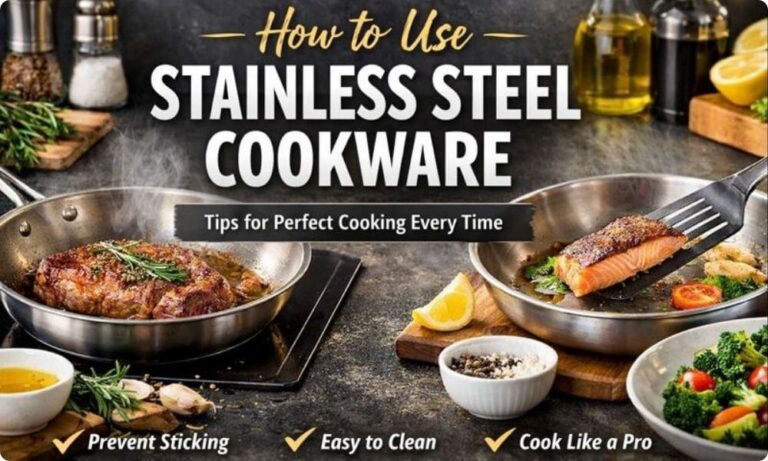
What Is Stainless Steel Cookware?
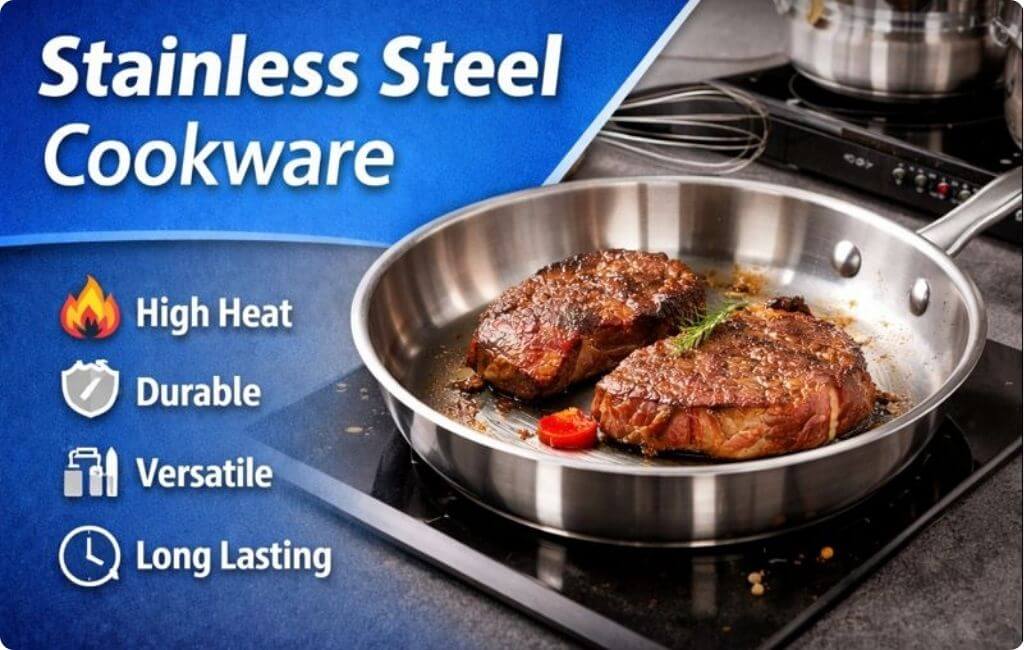
Stainless steel cookware is made from a strong metal that does not rust, stain, or react with food. It does not have a non-stick coating. Instead, it relies on proper heat and oil use to cook food well.
Many professional chefs and experienced home cooks prefer stainless steel cookware because it is durable, versatile, and long-lasting. With the right technique, it can handle almost any type of cooking.
How Stainless Steel Cookware Is Made
- Steel mixture: Stainless steel is made by mixing steel with small amounts of other metals. This helps it stay shiny, strong, and rust-resistant.
- Layered construction: Many stainless steel pans have layers. The outside and inside are stainless steel, while the middle layer is often aluminum.
This helps the pan heat evenly. - Solid cooking surface: There is no coating on the cooking surface. What you see is what you cook on.
👉 Important to know:
Because there is no coating, stainless steel cookware will not wear out or peel like coated pans.
Key Features of Stainless Steel Cookware
- Durable and long-lasting — built to handle heavy use
- High-heat safe — great for searing, frying, and oven use
- No non-stick coating — nothing to peel or wear off
- Even heat with layered pans — multi-layer pans cook more evenly
- Dishwasher and oven friendly (most models)
- Heavier than ceramic — feels solid in your hand
Pros and Cons of Stainless Steel Cookware
Pros
- Extremely long-lasting (can last decades)
- Safe for high-heat cooking and searing
- No coating to scratch or peel
- Easy to clean with proper methods
- Good for boiling, frying, sautéing, and sauces
Cons
- Food can stick if used incorrectly
- Needs oil and proper heat control
- Heavier than ceramic cookware
- Takes some practice for beginners
Health & Safety Comparison Between Ceramic and Stainless Steel Cookware
When people compare ceramic and stainless steel cookware, health is usually the biggest concern. No one wants to cook dinner and wonder if their pan is releasing something harmful into their food. Let’s break this down in a simple, realistic way.
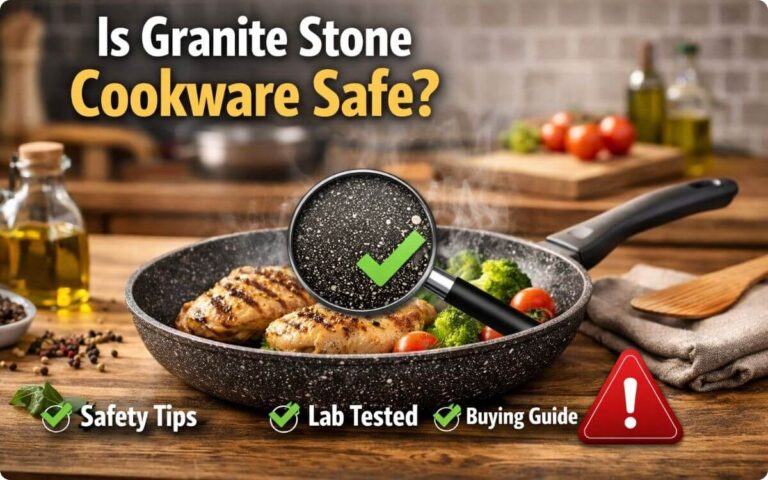
Is Ceramic Cookware Safe?
Imagine making breakfast on a pan where eggs slide off easily, without smoke or strong smells. That’s the experience most people have with ceramic cookware—and it’s also why many see it as a safer option.
Non-toxic coatings
Ceramic cookware uses a smooth coating made from natural minerals. It does not contain the chemicals found in traditional non-stick pans. This makes it a popular choice for people who want to avoid synthetic coatings in their kitchen.
No chemical fumes
When ceramic cookware is used correctly—on low to medium heat—it does not release fumes. There’s no burning smell or smoke when you’re cooking normally, which gives many users peace of mind.
Concerns about coating degradation
Over time, the ceramic coating can wear down. You may notice food starting to stick after months or years of use. This doesn’t usually make the cookware dangerous, but it does mean the pan won’t perform as well and may need to be replaced.
Simple takeaway: Ceramic cookware is safe for everyday cooking, especially if you use gentle heat and soft utensils. Just remember—it’s not meant to last forever.
Is Stainless Steel Cookware Safe?
Now imagine a heavy pan on the stove, heating up for a good sear. This is where stainless steel shines. It’s been used in kitchens for decades, from home cooks to professional chefs.
Metal leaching explained
Stainless steel is made from a mix of metals. In rare cases, tiny amounts of these metals can move into food, especially when cooking very acidic dishes for long periods. For most people, these amounts are extremely small and considered safe.
Nickel sensitivity considerations
Some stainless steel cookware contains nickel. If you have a nickel allergy or sensitivity, this might be a concern. In that case, you may want to look for nickel-free options or choose ceramic cookware instead.
FDA and research-backed safety consensus
Health authorities and food safety organizations consider stainless steel cookware safe for normal home use. It’s widely accepted and trusted because it doesn’t have a coating that can peel or burn.
Simple takeaway: Stainless steel cookware is safe for most people and built for long-term use. It’s one of the most trusted materials in cooking.
Which Is Safer for Everyday Use?
Let’s bring this back to real life—daily meals, normal heat, and home kitchens.
Summary based on normal home cooking
- Ceramic cookware feels safer for people who want a non-stick surface and low-heat cooking.
- Stainless steel feels safer for people who want durability, high heat, and cookware that lasts many years.
Both are safe when used properly. Problems usually come from misuse—like overheating ceramic pans or cooking acidic foods for hours in stainless steel.
Who should avoid nickel-containing cookware
- People with known nickel allergies
- Anyone advised by a doctor to avoid nickel
- Those who prefer zero metal exposure (ceramic may feel more comfortable)
Cooking Performance Comparison Between Ceramic and Stainless Steel Cookware
Cooking performance is about how a pan behaves when it’s on the stove. Does it heat evenly? Does food stick? Can it handle high heat without damage? Let’s look at ceramic and stainless steel through real cooking situations you might recognize.
Heat Distribution & Retention
Ceramic: even heat, but gentle cooking
Picture making a simple omelet on a quiet morning. The ceramic pan warms up evenly, so there are no hot spots that burn one side while leaving the other side raw. This makes ceramic cookware comfortable and forgiving to use.
However, ceramic cookware prefers lower to medium heat. If you turn the heat too high, the pan can lose its non-stick ability faster. It’s best for slow, steady cooking—not intense heat.
Stainless steel: strong heat control
Now imagine heating a stainless steel pan for frying onions or cooking meat. It can handle higher heat and reacts well when you turn the heat up or down. Good-quality stainless steel pans spread heat evenly and hold onto it well.
This gives you more control, especially when cooking foods that need steady heat for longer periods.
Simple takeaway: Ceramic is great for gentle, everyday cooking. Stainless steel gives you more control when heat really matters.
Non-Stick Performance
Ceramic vs seasoned stainless steel
Ceramic cookware feels non-stick right away. You add food, and it slides easily. There’s no learning curve, which makes ceramic great for beginners.
Stainless steel is different. It’s not non-stick by default, but when used properly—with preheating and a little oil—it can release food surprisingly well. This takes some practice, but once you learn it, sticking becomes much less of a problem.
Real-world cooking examples
- Eggs: Ceramic is easier. Eggs slide out with little effort.
Stainless steel works too, but only if the pan is hot and oiled correctly. - Curry or sauces: Both work well, but stainless steel handles long cooking times better.
- Frying vegetables or meat: Stainless steel gives better browning. Ceramic is better for lighter frying with less oil.
Simple takeaway: Ceramic wins for easy non-stick cooking. Stainless steel rewards you if you learn the technique.
High-Heat Cooking & Searing
Which material performs better?
For high heat—like searing meat or frying at high temperatures—stainless steel is the clear winner. It’s built for intense heat and doesn’t rely on a coating.
Ceramic cookware is not meant for very high heat. Using it this way can shorten its lifespan and damage the surface.
Risk of damage under high heat
- Ceramic: High heat can wear out the coating faster and cause food to stick later on.
- Stainless steel: High heat is normal and safe when used properly.
Simple takeaway: If you love high-heat cooking, stainless steel is the safer choice. If you prefer calm, low-heat meals, ceramic works just fine.
Durability & Longevity Comparison Between Ceramic and Stainless Steel Cookware
When you buy cookware, you’re not just buying something to cook tonight’s meal—you’re buying something you’ll use again and again. Over time, some pans hold up well, while others slowly lose their magic. Let’s look at what really happens to ceramic and stainless steel cookware after months and years in a real kitchen.
Lifespan of Ceramic Cookware
Expected years of use
Ceramic cookware is like a favorite pair of everyday shoes. At first, it feels perfect—smooth, easy, and comfortable. With normal home use, most ceramic pans last about 1 to 3 years before the non-stick surface starts to fade.
This doesn’t mean the pan suddenly becomes unsafe. It just means it won’t perform as well as it did when it was new.
Signs it needs replacement
You’ll usually notice these signs:
- Food starts sticking more often
- The surface looks dull or worn
- Cooking needs more oil than before
- Cleaning takes longer than it used to
When these signs appear, the pan still works—but cooking becomes less enjoyable.
Simple takeaway: Ceramic cookware works best when treated gently and replaced when it no longer performs well.
Lifespan of Stainless Steel Cookware
Decades of usability
Stainless steel cookware is more like a solid kitchen tool you pass down over time. With proper care, it can last 10, 20, or even 30 years. There’s no coating to wear off, so the pan keeps doing its job year after year.
Even if it looks scratched or stained, it still works just as well.
Resistance to warping and scratches
Good stainless steel pans are made to handle high heat, heavy use, and metal utensils. Scratches don’t affect performance, and warping is rare when you avoid sudden temperature changes.
Simple takeaway: Stainless steel cookware is built to last and doesn’t need replacing often.
Long-Term Cost Comparison
Cost per year breakdown
- Ceramic pan costs less upfront but may need replacing every few years
- Stainless steel costs more at first but lasts much longer
Example:
- A ceramic pan used for 2 years = cost spread over 2 years
- A stainless steel pan used for 20 years = cost spread over 20 years
Over time, stainless steel often ends up costing less per year.
Which offers better value over time?
- Choose ceramic cookware if you want lower upfront cost and easy cooking right away.
- Choose stainless steel cookware if you want something that lasts for decades and saves money in the long run.
Maintenance, Cleaning & Care: Ceramic Vs Stainless Steel Cookware
After cooking, the real test of a pan begins at the sink. Some pans clean up quickly. Others need a little patience. How you clean your cookware matters—it affects how long it lasts and how well it cooks next time.
Let’s walk through how to care for ceramic and stainless steel cookware in the easiest way possible.
Cleaning Ceramic Cookware
Best cleaning methods
Imagine finishing dinner and seeing food slide right off the pan. That’s one of the best things about ceramic cookware.
Here’s the easiest way to clean it:
- Let the pan cool down first
- Rinse with warm water
- Use a soft sponge and mild dish soap
- Wipe dry with a clean towel
Most of the time, this is all you need.
What damages the coating
Ceramic cookware needs gentle care. These common mistakes can shorten its life:
- Using metal spoons or spatulas
- Scrubbing with steel wool or rough pads
- Putting a hot pan straight under cold water
- Cooking on very high heat
These actions slowly wear away the smooth surface.
Simple tip: Use wooden or silicone utensils, keep the heat moderate, and hand-wash whenever possible.
Cleaning Stainless Steel Cookware
How to remove stuck food
Stainless steel cookware doesn’t have a non-stick coating, so food can stick sometimes. When it does, don’t panic.
Here’s a simple fix:
- Add warm water to the pan
- Let it soak for 10–15 minutes
- Gently scrub with a sponge
For tougher spots, simmer a little water in the pan for a few minutes, then scrape gently with a wooden spoon.
Dishwasher safety
Most stainless steel cookware is dishwasher safe. That said, hand washing keeps it looking newer for longer. Dishwashers can cause dull spots over time, but they won’t ruin the pan.
Using natural cleaners
If your pan looks stained or cloudy:
- Sprinkle baking soda on the surface
- Add a little water
- Gently scrub in circles
- Rinse and dry
You can also use vinegar for water spots or discoloration.
Simple tip: Stainless steel may look tough, but it cleans best with patience, not force.
Compatibility with Different Cooktops
Not all cookware works the same on every stove. A pan that performs well on one cooktop may struggle on another. Knowing this before you buy can save you money, frustration, and unevenly cooked meals.
Let’s walk through how ceramic and stainless steel cookware behave on the most common cooktops—just like you’d experience at home.
Gas Stoves
Picture a blue flame under your pan. Gas stoves heat quickly and can be adjusted instantly.
- Ceramic cookware works well on gas stoves as long as the heat is kept moderate. The flame heats the pan evenly, but too much heat can damage the ceramic coating over time.
- Stainless steel cookware is a natural fit for gas stoves. It handles direct flame easily and responds well when you turn the heat up or down.
Simple tip: If you cook on a gas stove often and like high heat, stainless steel is the safer long-term choice.
Electric Cooktops
Electric cooktops heat more slowly and stay hot longer after you turn them off.
- Ceramic cookware works well here because it heats evenly and doesn’t need high temperatures.
- Stainless steel cookware also works well, but it may take a little time to adjust to the slower heat changes.
Simple tip: Lift the pan gently—sliding heavy stainless steel pans can scratch electric cooktops.
Induction Cooktops
Induction cooktops only work with cookware that contains magnetic metal.
- Ceramic cookware may or may not work. Only ceramic pans with a magnetic base are compatible.
- Stainless steel cookware works perfectly, as long as it’s magnetic (most are).
Simple test: If a magnet sticks to the bottom of the pan, it will work on induction.
Oven Safety
Sometimes a recipe moves from the stove straight into the oven.
- Ceramic cookware often has temperature limits. Some pans are oven-safe, others are not. Handles and coatings may be damaged at high temperatures.
- Stainless steel cookware is usually oven-safe and can handle high heat, even under the broiler.
Simple tip: Always check the manufacturer’s temperature limit before putting any pan in the oven.
Best Use Cases: Which One Fits Your Cooking Style?
Choosing cookware is less about what’s “better” and more about how you actually cook. Think about your daily routine, the meals you make, and how much time you want to spend at the stove and the sink.
Let’s look at which cookware fits which kind of cook.
Ceramic Cookware Is Best For:
Beginners
If you’re just starting out in the kitchen, ceramic cookware feels friendly. Food slides easily, and there’s less worry about sticking or burning. You can focus on cooking instead of controlling the pan.
Low-oil cooking
If you like using very little oil or butter, ceramic cookware makes this easy. The smooth surface helps food release without needing much fat.
Quick meals
Ceramic pans heat evenly and are great for fast meals—like eggs, vegetables, or simple stir-fries. You don’t need special techniques; just turn on the stove and cook.
Easy cleanup
After eating, cleanup is fast. Most of the time, a quick rinse and gentle wipe is enough. This makes ceramic cookware ideal for busy days.
Stainless Steel Cookware Is Best For:
Serious home cooks
If you enjoy cooking and like learning new skills, stainless steel gives you more control. It rewards good timing and technique, especially as you gain experience.
High-heat cooking
Stainless steel handles high heat with no problem. It’s perfect for browning meat, frying, or cooking dishes that need strong heat.
Long-term investment
If you don’t want to replace cookware often, stainless steel is a smart choice. With basic care, it can last many years—sometimes even a lifetime.
Versatile recipes
Stainless steel works for almost everything: sauces, soups, frying, boiling, and oven cooking. It’s the kind of cookware you can use for many types of meals.
Common Mistakes People Make When Choosing Cookware
Many people buy cookware with good intentions, only to feel disappointed a few months later. Most of the time, the problem isn’t the cookware—it’s a small misunderstanding about how it’s meant to be used. Let’s look at the most common mistakes and how to avoid them.
Expecting Ceramic Cookware to Last Forever
Imagine buying a ceramic pan because it feels smooth and easy to use. At first, it worked beautifully. But after a year or two, food starts sticking, and cleaning takes longer.
This doesn’t mean the pan was bad. Ceramic cookware is designed for easy cooking, not lifetime use. Its non-stick surface slowly wears out, even with gentle care.
Simple fix: Think of ceramic cookware as something you’ll replace over time. Use it gently and enjoy it while it lasts.
Using Stainless Steel Like a Non-Stick Pan
Some people get frustrated with stainless steel because food sticks. They assume the pan is low quality, but the real issue is how it’s being used.
Stainless steel needs to be heated first, then oiled, before food goes in. Skipping this step almost guarantees sticking.
Simple fix: Heat the pan first, add oil, wait a moment, then add food. With practice, stainless steel works very well.
Overheating Coated Cookware
It’s tempting to turn the heat all the way up to cook faster. But this is one of the quickest ways to ruin ceramic cookware.
High heat can damage the coating, making it lose its non-stick surface much sooner than expected.
Simple fix: Use low to medium heat with ceramic cookware. Save high heat for stainless steel.
Ignoring Construction Quality
Two pans can look similar but perform very differently. Thin, lightweight pans may heat unevenly and wear out faster.
People often focus on price or brand name and forget to check how the pan is built.
Simple fix: Choose cookware with a solid, sturdy feel. For stainless steel, look for thicker pans. For ceramic, make sure the coating feels smooth and even.
Conclusion
When choosing between ceramic vs stainless steel cookware, the best option depends on how you cook and what you value most in the kitchen. Ceramic cookware is ideal for easy, low-oil cooking and quick cleanup, while stainless steel cookware offers durability, heat control, and long-term value.
Both materials are safe and effective when used correctly. By matching your cookware to your cooking habits, you can make a confident choice that improves your everyday cooking experience.
Frequently Asked Questions (FAQ)
Is ceramic cookware better than stainless steel?
Neither is better for everyone—it depends on how you cook.
Ceramic cookware is easier to use and clean, making it great for beginners and quick meals. Stainless steel is stronger, handles high heat better, and lasts much longer. The best choice depends on whether you value convenience or long-term durability.
Does stainless steel leach toxins?
For most people, no.
Stainless steel may release very tiny amounts of metal when cooking certain foods, but health experts consider this safe for normal home cooking. Stainless steel has been used for decades and is widely trusted. If you have a nickel allergy, you may want to choose nickel-free stainless steel or ceramic cookware instead.
Can ceramic cookware go in the dishwasher?
Sometimes—but it’s not always recommended.
While some ceramic cookware is labeled dishwasher safe, hand washing helps the coating last longer. Gentle cleaning with a soft sponge and mild soap is the best way to keep ceramic cookware in good condition.
Which is better for health?
Both are safe when used correctly.
Ceramic cookware is popular with people who want a non-stick surface without chemical coatings. Stainless steel is considered safe and stable, especially for high-heat cooking. Health-wise, neither is harmful when used as intended.
Which lasts longer?
Stainless steel lasts much longer.
Ceramic cookware usually lasts 1–3 years before the coating wears out. Stainless steel cookware can last 10–20 years or more with proper care. If long-term use matters to you, stainless steel is the better choice.