Ceramic Cookware Benefits
If you’ve been standing in the cookware aisle (or scrolling online) wondering whether ceramic cookware is really better for your health, you’re not alone. More people are questioning traditional non-stick pans and looking for safer, cleaner ways to cook. That’s where ceramic cookware comes in.
In this guide, we’ll break down the real ceramic cookware benefits, what it does well, where it falls short, and whether it’s the right fit for your kitchen.
What Is Ceramic Cookware?
Ceramic cookware comes in two main types. Some pieces are made from solid ceramic, but most of what you see in stores today is metal cookware (usually aluminum) coated with a ceramic-based non-stick layer.
This ceramic coating is made from silica, which is derived from sand and then transformed into a smooth, glass-like cooking surface. Unlike traditional non-stick pans, ceramic coatings do not use PTFE or PFOA—the chemicals commonly associated with Teflon-style cookware.
In simple terms, you get a naturally slick surface that releases food easily without relying on harsh chemical coatings.
Why So Many People Are Switching to Ceramic Cookware
People are paying more attention to what touches their food. Non-stick pans have raised concerns because some coatings can release toxic fumes or degrade over time, especially when overheated. For families, home cooks, and anyone trying to eat cleaner, this is a big deal.
Ceramic cookware offers a safer-feeling alternative. It doesn’t give off chemical odors when heated, and it doesn’t contain the compounds that many people are now trying to avoid. Add in easy cleanup and smooth cooking, and it’s easy to see why ceramic has become so popular.
Top Ceramic Cookware Benefits
Non-Toxic and PFAS-Free Cooking
One of the biggest ceramic cookware benefits is peace of mind. Ceramic coatings are free from PFAS, PTFE, PFOA, lead, and cadmium. That means you can cook at normal temperatures without worrying about harmful fumes or chemicals getting into your food.
For anyone cooking daily—especially families—this alone makes ceramic cookware very appealing.
Naturally Non-Stick
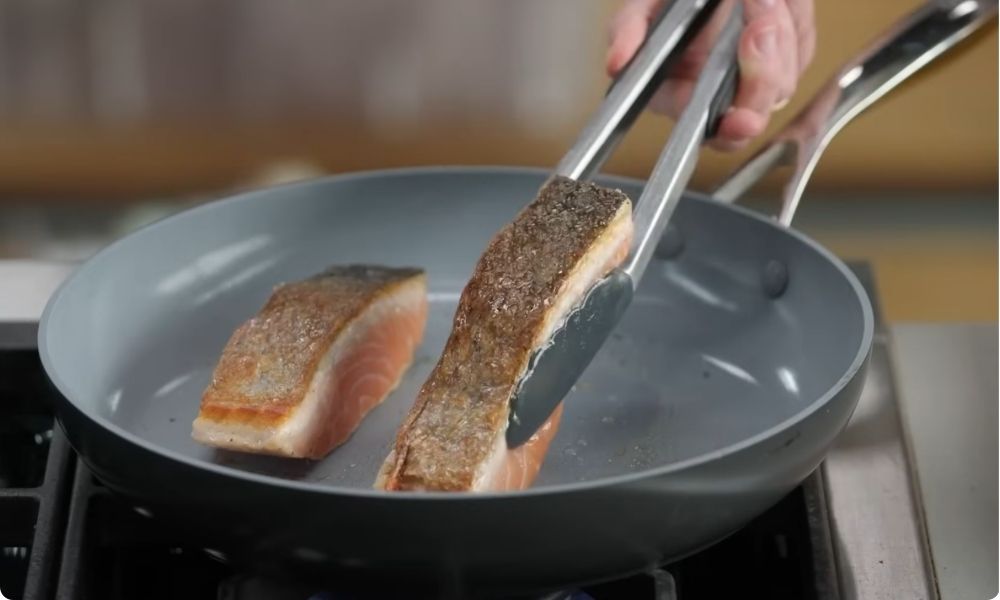
Ceramic pans have a smooth, slick surface that releases food easily. Eggs, pancakes, vegetables, and fish slide off with much less oil than stainless steel or cast iron. This makes cooking easier and supports lower-fat meals.
Easy to Clean
Because food doesn’t cling strongly to ceramic, cleanup is simple. Most of the time, a quick wipe with warm soapy water is all you need. You won’t spend time scrubbing stuck-on bits or soaking pans overnight.
No Metal or Chemical Reactions
Ceramic is non-reactive, so it won’t interact with acidic foods like tomatoes, lemon juice, or vinegar. That means your food keeps its natural flavor, and nothing unwanted leaches into your meals.
Even Heat for Better Cooking
Ceramic-coated cookware, especially when paired with an aluminum base, heats evenly. That means fewer hot spots and more consistent cooking, which is great for delicate foods like sauces, eggs, and fish.
Health Benefits of Using Ceramic Cookware
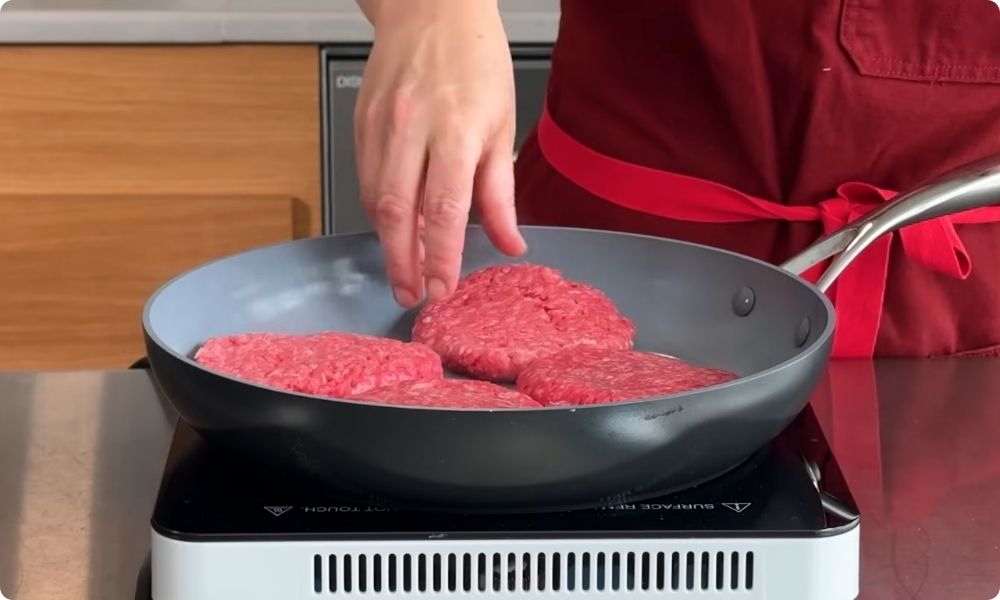
Ceramic cookware is popular for health-focused kitchens, and it’s easy to see why. Unlike traditional non-stick pans, ceramic coatings don’t rely on chemical-based surfaces that can release fumes when overheated. When used correctly, ceramic cookware stays stable, making it safer for both your lungs and the food you serve to your family.
Another big advantage is how it supports lighter cooking. The naturally slick surface means food releases easily, so you don’t need to rely on heavy amounts of butter or oil just to keep things from sticking. Over time, that can help reduce unnecessary fats in everyday meals without sacrificing flavor.
When choosing any cookware, it’s always smart to think about safety and stick with materials that have been evaluated and verified by trusted authorities like the FDA to reduce the risk of harmful chemical exposure.
How Long Does Ceramic Cookware Last? (The Honest Truth)
This is where honesty matters. Ceramic cookware does not last forever. On average, a ceramic-coated pan will perform well for about 1 to 3 years with regular use.
What shortens its life?
High heat, cooking sprays, metal utensils, and dishwasher cleaning all wear down the coating faster. Once the surface becomes rough or sticky, it means the ceramic layer has started to break down.
The good news is that with gentle care—using low to medium heat, avoiding aerosol sprays, and washing by hand—you can get much better longevity from your pans.
Who Should Use Ceramic Cookware?
Ceramic cookware is a great choice if you:
- Want non-toxic, worry-free cooking
- Cook eggs, pancakes, vegetables, or fish often
- Prefer easy cleanup
- Are setting up a beginner-friendly kitchen
- Cook for kids or health-conscious family members
It’s especially helpful for everyday meals that don’t require extreme heat.
Who Should Not Use Ceramic Cookware?
Ceramic is not for everyone. It may not be the best choice if you:
- Regularly cook on very high heat
- Love searing steaks
- Use metal utensils
- Want cookware that lasts decades
For heavy-duty cooking, stainless steel or cast iron may be a better fit.
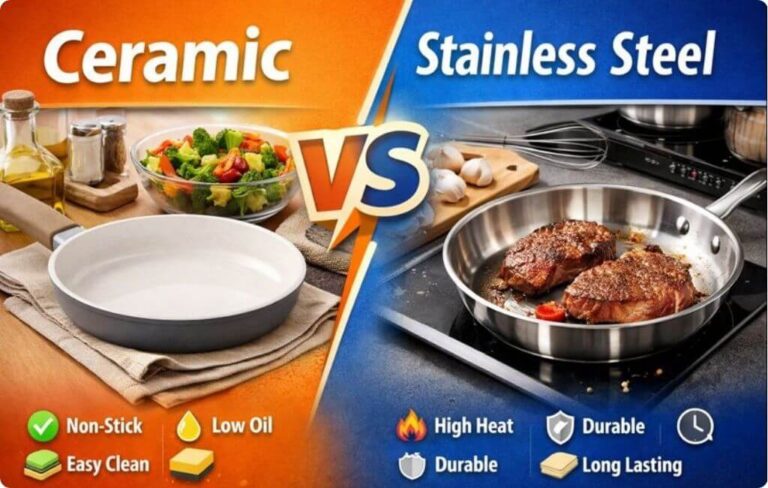
Ceramic vs Stainless Steel vs Teflon
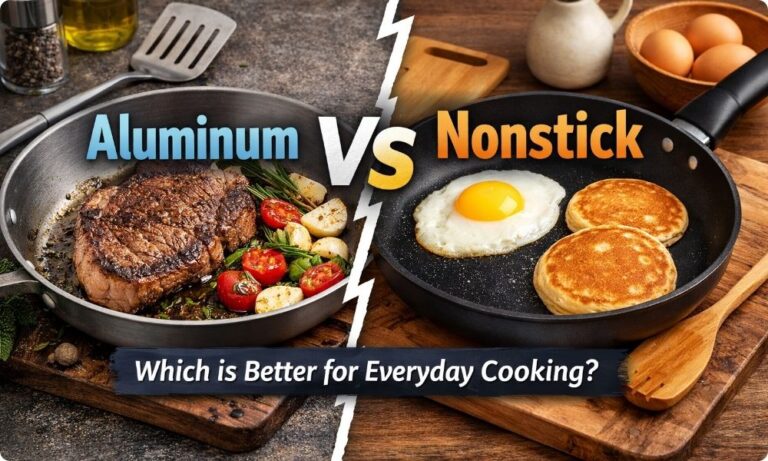
Ceramic is safer than traditional non-stick because it doesn’t rely on chemical coatings. Compared to Teflon, ceramic won’t release fumes when overheated, but it also doesn’t last as long.
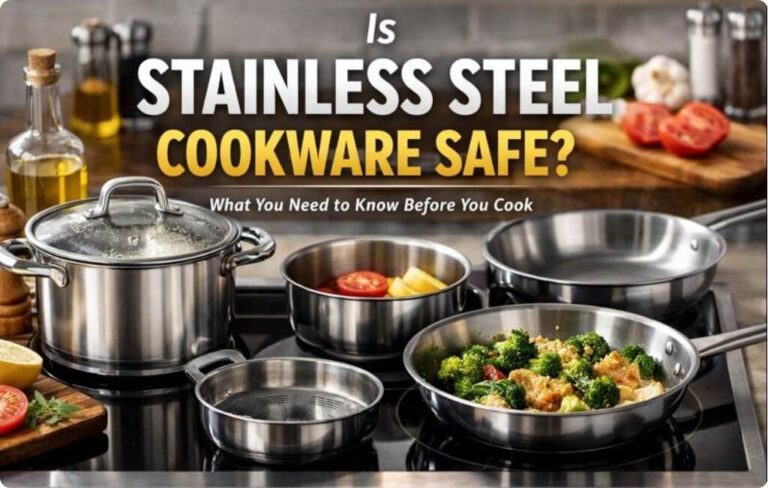
Stainless steel, on the other hand, is extremely durable and great for high heat, but it requires more oil and more effort to clean. Ceramic sits in the middle—easier to use and safer than Teflon, but not as tough as stainless steel.
Ceramic vs Teflon vs Stainless — quick comparison
| Feature | Ceramic-coated | PTFE/Teflon | Stainless Steel |
| Non-stick at low/medium heat | ✔️ | ✔️ | ✖️ |
| Good for high-heat searing | ✖️ | ✖️ (risk of overheating) | ✔️ |
| PFAS/PTFE concerns | Low (most brands) | Higher | None |
| Durability | Moderate | Moderate–High (if treated right) | Very high |
| Ease of cleaning | Easy | Very easy | Harder (but can be cleaned) |
| Best for | Everyday family cooking | Low-fat cooking, delicate foods | Browning, searing, deglazing |
How to get the most out of ceramic cookware (practical tips)
Little habits make a big difference in performance and lifespan:
- Heat control: Use low-to-medium heat. Ceramic works best here — high heat shortens coating life.
- Preheat gently: Warm the pan gradually for a minute or two before adding oil or food.
- Use a little oil: Even though it’s non-stick, a bit of oil improves release and extends life.
- Avoid aerosol cooking sprays: They leave a residue that’s tough on ceramic surfaces. Use a measured teaspoon of oil instead.
- Utensils: Use silicone, wood, or nylon tools — not metal.
- Cleaning: Hand wash with a soft sponge and mild detergent. Avoid abrasive pads and oven cleaners.
- Storage: Don’t stack pans directly on top of one another without protection.
Are Ceramic Cookware Sets Worth Buying?
Ceramic cookware sets are worth it if you want safe, easy, everyday cooking. They’re especially good for people who cook at home regularly but don’t need restaurant-level heat performance.
Look for sets that are labeled PFAS-free, have solid metal bases, and come from reputable brands. Avoid ultra-cheap sets with thin construction, as they won’t perform well for long.
FAQs about ceramic cookware
Is ceramic cookware really non-toxic?
Most ceramic-coated pans on the market are PFAS/PTFE-free, which reduces certain chemical risks. Still, buy from reputable brands and avoid overheating any non-stick surface.
Does ceramic coating wear off?
Yes — coatings can degrade over time with heavy use, high heat, and improper care. That’s normal. Knowing how to care for them can extend usable life significantly.
Can I use metal utensils?
Not recommended. Metal can scratch and damage the coating.
Is ceramic better than non-stick (Teflon)?
“Better” depends on priorities. Ceramic has advantages around perceived chemical safety and looks, while modern PTFE coatings can offer longer-lasting non-stick performance if used below their temperature limits.
Final Verdict: Are Ceramic Cookware Benefits Worth It?
Ceramic cookware offers a clean, safe, and easy way to cook everyday meals. The biggest ceramic cookware benefits are non-toxic cooking, smooth food release, and simple cleanup. While it won’t last forever or handle extreme heat, it’s an excellent choice for most home cooks who care about health and convenience.
If you want cookware that makes cooking easier and safer, ceramic is absolutely worth considering for your kitchen.