Stainless Steel Cookware vs Copper: Which Is Better for Your Kitchen?
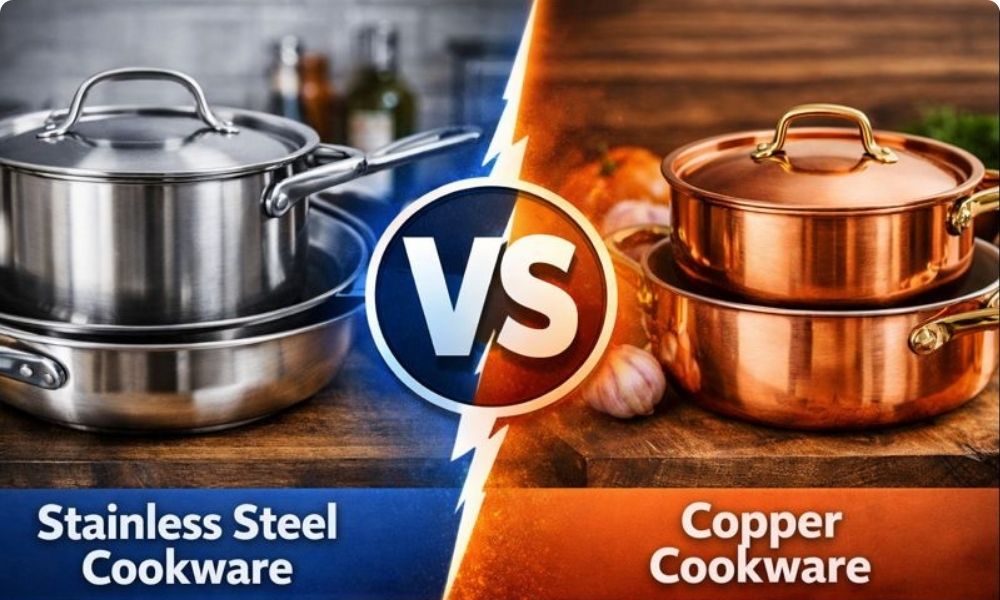
Choosing cookware is one of the most important decisions for any home cook. The right cookware doesn’t just affect how food tastes—it influences how confident you feel in the kitchen, how much effort cooking requires, and how long your investment will last. Among all cookware materials, the debate around stainless steel cookware vs copper is one of the most common and confusing.
Both materials are highly respected, widely used, and often associated with professional cooking. Yet they behave very differently in real kitchens. Stainless steel is known for durability and ease of use, while copper is praised for unmatched heat control and elegance. The problem is that many comparisons focus on technical specs without explaining what those differences actually mean for everyday cooking.
This article is written to solve that problem. Whether you are upgrading from nonstick pans, building your first serious cookware set, or deciding if copper is worth the investment, this guide will help you make a confident, practical choice.
Quick Comparison: Stainless Steel Cookware vs Copper
| Feature | Stainless Steel | Copper |
| Heat Responsiveness | Moderate | Excellent |
| Heat Distribution | Very good (clad) | Outstanding |
| Maintenance | Low | High |
| Durability | Extremely high | High (lining dependent) |
| Reactivity | Non-reactive | Reactive if unlined |
| Induction Use | Yes (magnetic base) | No (unless modified) |
| Cost | Affordable to premium | Expensive |
| Best Use | Everyday cooking | Precision cooking |
Why Cookware Material Matters More Than You Think
Cookware material determines how heat moves through a pan, how quickly it reacts to temperature changes, and how it interacts with food. These factors directly affect cooking results. A pan that heats unevenly can burn food in one spot while leaving another under cooked. A pan that reacts slowly to heat changes can ruin delicate sauces. A reactive surface can alter the flavor or safety of acidic dishes.
When people compare stainless steel cookware vs copper, they are really comparing two very different cooking experiences. Understanding those experiences is far more useful than memorizing specifications.
Understanding Stainless Steel Cookware
Stainless steel cookware is made from an alloy of steel combined with chromium and, in many cases, nickel. The chromium gives stainless steel its resistance to rust and corrosion, while nickel improves shine and durability. On its own, stainless steel is not an excellent heat conductor, which is why most high-quality stainless steel cookware uses a layered construction.
Modern stainless steel pans are typically clad with aluminum or copper at the core. This layered design allows the pan to heat more evenly while keeping the cooking surface non-reactive and durable. Tri-ply cookware, which sandwiches an aluminum core between two layers of stainless steel, is the most common and widely recommended option for home cooks.
One of the biggest advantages of stainless steel cookware is reliability. It can handle high heat, acidic ingredients, and frequent use without breaking down. It does not chip, peel, or degrade the way nonstick coatings can. With basic care, a good stainless steel pan can last for decades.
However, stainless steel does require learning proper technique. Food can stick if the pan is not preheated correctly or if oil is added at the wrong time. Once this learning curve is overcome, many cooks find stainless steel to be one of the most versatile and rewarding materials to cook with.
Understanding Copper Cookware
Copper cookware is valued for one main reason: exceptional heat conductivity. Copper transfers heat faster and more evenly than almost any other material used in cookware. This allows the cook to make instant temperature adjustments, which is especially useful for precision tasks like sauce-making, candy cooking, and temperature-sensitive dishes.
Traditional copper cookware is made with thick sheets of copper and lined on the inside with another metal, usually stainless steel or tin. The lining is essential because bare copper reacts with acidic foods and can be unsafe for regular cooking. Stainless steel linings are more durable, while tin linings offer slightly better heat responsiveness but wear out faster.
Copper cookware is often associated with professional kitchens and experienced cooks because it demands attention. It heats quickly, cools quickly, and responds immediately to changes in heat. While this precision is a benefit, it can also be a drawback for busy home cooks who multitask or step away from the stove.
Maintenance is another defining feature of copper cookware. The exterior naturally tarnishes over time and must be polished if you want to maintain its bright appearance. Copper pans are also heavier and significantly more expensive than stainless steel alternatives.
Heat Performance: The Core Difference of Stainless Steel Cookware and Copper
When comparing stainless steel cookware vs copper, heat performance is the most important factor to understand.
Copper is one of the best heat conductors available for cookware. Heat spreads across the surface almost instantly, eliminating hot spots. When you turn the heat down, the pan cools quickly. This level of responsiveness allows for precise control, which is why copper is often used for delicate sauces, reductions, and sugar work.
Stainless steel cookware, particularly when it is fully clad with an aluminum or copper core, provides very good heat distribution but does not respond as quickly as copper. Once heated, stainless steel retains heat longer, which can be an advantage for tasks like searing meat or maintaining a steady simmer.
In practical terms, copper gives you speed and control, while stainless steel offers stability and forgiveness. For most everyday cooking, stainless steel performs exceptionally well. Copper excels in specialized scenarios where precise temperature adjustments are critical.
Real-World Cooking Performance: Stainless Steel Cookware vs Copper
In real kitchens, cookware performance matters most during common cooking tasks. When searing meat, stainless steel shines. Its ability to retain heat helps create a deep, even crust. Copper can also sear well, but its quick responsiveness means temperature must be managed carefully to avoid burning.
For sauces, copper offers a noticeable advantage. The even heat and instant response reduce the risk of scorching and allow fine control over thickness and consistency. This is especially valuable when making emulsions or delicate reductions.
When cooking soups, stews, pasta, and everyday meals, stainless steel is often the better choice. It handles large volumes, long cooking times, and frequent stirring without requiring constant attention. Copper is capable but often unnecessary for these tasks.
Eggs and delicate proteins can be cooked well in both materials, but technique matters more than material. Stainless steel requires proper preheating and oil use, while copper’s responsiveness can be helpful but unforgiving if the heat is too high.
Durability and Long-Term Ownership: Between Stainless Steel Cookware and Copper
Durability is one area where stainless steel cookware has a clear advantage. High-quality stainless steel pans resist warping, scratching, and corrosion. They can be used with metal utensils and cleaned aggressively when needed. Over time, cosmetic marks may appear, but performance remains unchanged.
Copper cookware is durable in a different way. The copper itself is long-lasting, but the lining determines the pan’s usable lifespan. Tin linings can wear down and require re-tinning, which adds to long-term cost. Stainless steel linings last longer but can still be damaged by overheating or deep scratches.
For cooks who want cookware that can handle heavy daily use with minimal concern, stainless steel is the safer investment. Copper rewards careful use but demands more attention.
Maintenance and Ease of Care: Stainless Steel Cookware vs Copper
Maintenance is one of the most practical considerations when choosing between stainless steel cookware and copper.
Stainless steel is relatively low maintenance. Many pieces are dishwasher-safe, though hand washing preserves appearance. Burnt-on food can usually be removed with soaking, gentle scrubbing, or deglazing. Occasional polishing restores shine, but it is not required for performance.
Copper cookware requires more care. It should always be hand washed, and the exterior must be polished periodically if appearance matters to you. The lining must be protected from overheating, and abrasive cleaners should be avoided. While some cooks enjoy this ritual, others find it inconvenient.
If convenience and ease of cleaning are priorities, stainless steel is the clear winner.
Safety and Food Reactivity: Stainless Steel Cookware vs Copper
Stainless steel is non-reactive, which means it does not interact with acidic foods like tomatoes, citrus, or vinegar. This makes it a safe and versatile choice for all types of cooking. Some stainless steel alloys contain nickel, but for most people, exposure from cookware is minimal.
Copper, on the other hand, is reactive when unlined. This is why all modern copper cookware designed for cooking is lined. As long as the lining is intact, copper cookware is safe to use. However, once the lining wears down, the pan should be repaired or retired from food use.
Understanding this distinction is important for long-term safety and proper care.
Price and Overall Value: Stainless Steel Cookware vs Copper
Price is often the deciding factor in the stainless steel cookware vs copper debate.
Stainless steel cookware is available across a wide price range. Affordable tri-ply sets offer excellent performance for most home cooks, while premium brands provide refined design and thicker construction. Even high-end stainless steel cookware is usually less expensive than copper.
Copper cookware is a significant investment. The cost reflects material price, craftsmanship, and performance. While copper can last a lifetime with proper care, the initial expense and maintenance costs make it less accessible for many households.
From a value perspective, stainless steel delivers more versatility per dollar. Copper delivers performance and beauty, but at a premium.
Induction Compatibility and Stove Types
Stainless steel cookware with a magnetic base works well on induction cook tops. This makes it a flexible option for modern kitchens, especially as induction becomes more popular.
Copper is not naturally compatible with induction cooking. Some manufacturers add a magnetic layer to the base, but this increases cost and can reduce responsiveness. If you use an induction stove, stainless steel is usually the more practical choice.
Which One Should You Choose?
Choosing between stainless steel cookware and copper depends on how you cook, how much time you want to spend maintaining cookware, and how much you want to invest.
If you cook daily meals, value durability, and want cookware that works across many cooking styles, stainless steel is the better choice. It is forgiving, long-lasting, and adaptable.
If you love precise cooking, enjoy hands-on control, and are willing to maintain your cookware, copper can be incredibly rewarding. Many experienced cooks choose copper for specific tasks rather than replacing their entire cookware set.
A mixed approach often makes the most sense. Stainless steel can handle most cooking needs, while one or two copper pieces can elevate precision cooking when needed.
Final Verdict
For most home kitchens, stainless steel cookware is the smarter and more practical choice. It offers durability, versatility, and excellent performance with minimal maintenance. It adapts well to different cooking styles and stove types and provides long-term value.
Copper cookware is best viewed as a specialized tool. It excels in precision tasks and offers unmatched heat control, but it demands care, attention, and investment. For cooks who appreciate these qualities, copper can be deeply satisfying.
Ultimately, the best cookware is the one that matches your cooking habits, not the one with the most impressive reputation. Understanding the real differences between stainless steel cookware vs copper allows you to choose confidently—and cook better every day.
Frequently asked questions
Is copper cookware safe to use?
Yes, when properly lined with tin or stainless steel. Avoid cooking acidic foods in unlined copper. If you have health concerns about metal exposure, consult a medical or food-safety professional.
Can stainless steel cook as evenly as copper?
High-quality, full-clad stainless steel with a thick aluminum or copper core can approach copper for many tasks, but copper will usually be noticeably more responsive and slightly more even in instantaneous heat distribution.
Is copper worth the price?
That depends on your cooking style. If you regularly prepare dishes that require micro-adjustments to heat and you value the visual appeal, copper may be worth it. For everyday home cooking, stainless steel usually provides better utility per dollar.
How do I prevent sticking on stainless steel?
Preheat the pan, add oil and wait until it shimmers, and then add the food. Let proteins form a crust before moving them; that crust releases naturally when searing is complete.
Can copper go in the dishwasher? Generally not. Hand washing and drying are recommended to protect the exterior finish and the lining.