Is Ceramic Cookware Safe?
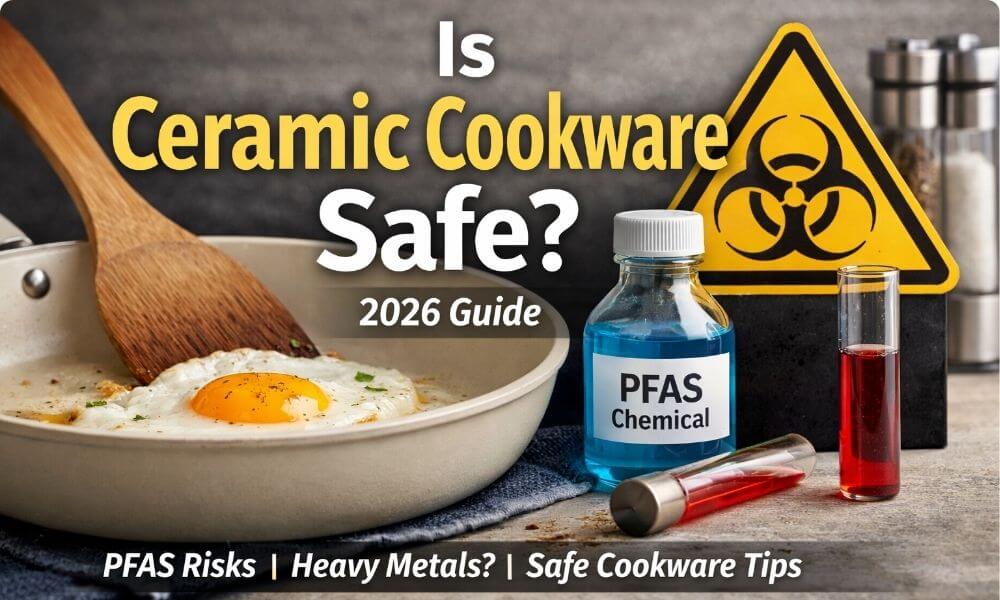
If you’ve been wondering “is ceramic cookware safe?”, you’re not alone. With headlines about PFAS, Teflon, and “non-toxic” kitchen gear everywhere, many home cooks want a clear, science-based answer — not marketing spin. Short version: high-quality ceramic cookware is generally considered safe for everyday cooking, but safety depends on manufacturing quality, proper use, and replacing pans once the coating is damaged.
This guide cuts through the noise. You’ll get a simple explanation of what “ceramic” actually means, how ceramic coatings compare to PTFE/Teflon, the real risks to watch for (think heavy metals, cheap imports, and overheating), plus a practical buyer checklist and easy care tips so your cookware stays safe longer.
Whether you’re shopping for your first nonstick pan or deciding whether to swap out an old Teflon skillet, read on — by the end you’ll know exactly what to look for and when to replace a pan.
Quick answer (TL;DR)
Yes — high-quality ceramic cookware is generally considered safe for everyday home cooking.
However, safety depends strongly on manufacturing quality, proper use, and the condition of the coating. Low-quality or damaged ceramic coatings can reduce performance and create risks that make replacement the sensible choice.
What “ceramic cookware” actually means
When people say “ceramic” cookware they usually mean one of two things:
- 100% ceramic cookware — made from clay and glaze (like a stoneware or earthenware casserole, ovenware, or traditional pottery). These are truly ceramic all the way through.
- Ceramic-coated cookware — a metal pan (aluminum or stainless steel) with a thin, silica-based nonstick coating applied on top. This is the most common product sold as “ceramic nonstick.”
Most consumer “ceramic pans” are the second type: a metal core for heat transfer, plus a glassy, silica-based coating (often applied via a sol-gel process) that creates a slick, nonreactive surface. That coating is what people are evaluating when they ask “is ceramic cookware safe?” — not the metal core.
How ceramic coatings are made
Ceramic nonstick coatings are usually made from silica (a glass-forming material derived from sand) combined with binders and curing agents. The manufacturer applies a liquid “sol” to the pan, then bakes or cures it to form a thin, glass-like “gel” layer. The finished surface is generally hard, smooth, and chemically inert — which is why ceramic coatings are often promoted as “non-toxic” or “PFAS-free.”
Important practical point: the term “ceramic” on a product label does not guarantee a single, standardized manufacturing method or purity level. Different brands use different recipes and manufacturing tolerances; that’s why testing and certification matter.
Is ceramic cookware chemically safer than Teflon/PTFE? — What the science says
Short answer: Yes in many typical cooking scenarios. Ceramic coatings are typically PFAS-free (they do not use PTFE), and independent lab testing has often failed to find PFAS in many ceramic-coated pans — unlike older Teflon/PTFE coatings, which are chemically related to PFAS and can degrade at high temperatures.
Key points from reputable sources and studies:
- PTFE/Teflon is a polymer that is related to PFAS chemistry. When overheated (especially above ~260–300°C / 500–572°F), PTFE coatings can degrade and release fumes or decomposition products that are potentially harmful. PubMed reviews and toxicology perspectives highlight the concerns about PTFE at high temperatures and the limited but concerning evidence on fumes and thermal degradants.
- Consumer testing organizations (including Consumer Reports) have reported no detectable PFAS in several tested ceramic-coated pans, and have increasingly recommended ceramic or stainless steel options for consumers trying to avoid PFAS-containing cookware. That said, they also caution that not all brands behave the same and testing matters.
- Newer regulatory and research attention on PFAS has pushed brands and labs to be more transparent; several lab studies and consumer labs are now testing for a large panel of PFAS in cookware. Where tested, well-made ceramic coatings typically do not show PFAS migration under normal cooking conditions.
Takeaway: If you want to avoid PFAS and PTFE-related risks, a tested, PFAS-free ceramic coating is a sensible choice for everyday cooking — provided you buy a high-quality product and use it within normal temperature ranges.
Lead, cadmium, and heavy-metal risks: what’s the real story
Concerns about lead and cadmium are more relevant to glazed ceramics and lower-quality imported wares than to high-quality ceramic coatings applied to metal pans — but the risk is real and documented.
- Historic and modern studies of ceramic dinnerware and pottery found occasional cases where lead or cadmium leached into food or acidic liquids from decorative glazes, especially from imported or unregulated products. Regulatory bodies (including the FDA) have guidance focused on imported pottery and whether products leach lead/cadmium.
- Large sample surveys in some regions show that most tested ceramics are below regulatory limits for lead and cadmium, but exceedances are concentrated among some imported or uncertified items. Public health bodies recommend testing of decorative pottery and looking for compliance with local food-contact regulations.
- For ceramic-coated metal pans, heavy-metal leaching is much less commonly reported — but because the coating is thin and applied at the surface, poor manufacturing or contaminated raw materials could cause problems. That’s why buyers should prefer products with third-party testing or reputable certifications.
Recommendation: Avoid very cheap, unbranded imports for cooking use; prefer products with explicit “lead-free” and test/certification documentation (LFGB/EU, FDA, or third-party lab results). The FDA and EU testing protocols give clear frameworks for acceptable migration levels; look for brands that publish test results or certifications.
The real weak points: damage, overheating, and low-quality imports
Even when the chemistry of a ceramic coating is safe, real-world use introduces risks that buyers must understand:
Scratches & chips
A scratched or flaking coating exposes the underlying metal and reduces nonstick function. Chipping can also allow direct contact between food and any pigments or binders that were not intended for constant food contact. Replace pans that show flaking or deep scratches.
Overheating
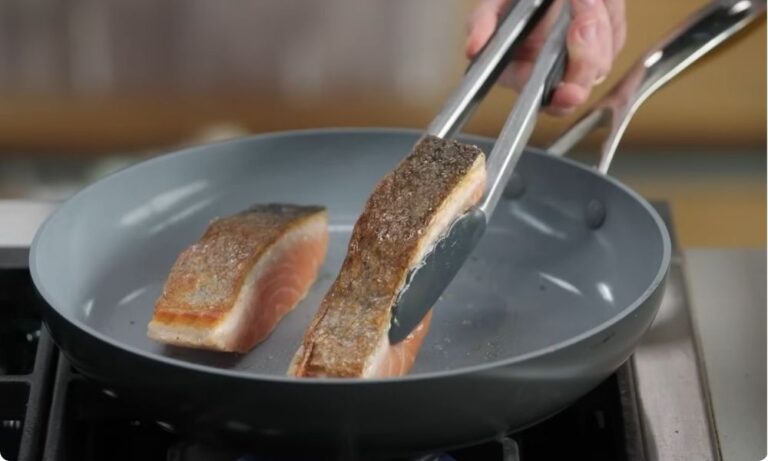
While ceramic coatings hold up better than some traditional nonstick at moderate heat, extreme overheating and repeated thermal shock shorten coating life and can cause degradation. Avoid heating empty ceramic pans on maximum heat and avoid broiling temperatures unless the manufacturer explicitly rates the pan for them.
Low-quality or counterfeit products
Some “cheap ceramic” pans sold online or in informal markets use poorly controlled raw materials or shortcuts in production. These are more likely to contain contaminants or to fail early. Several consumer investigations show variability in the market and reinforce that price and brand reputation matter.
Practical rule: Treat a ceramic pan like a delicate tool: medium heat, gentle utensils (wood or silicone), regular inspection, and replace when performance declines.
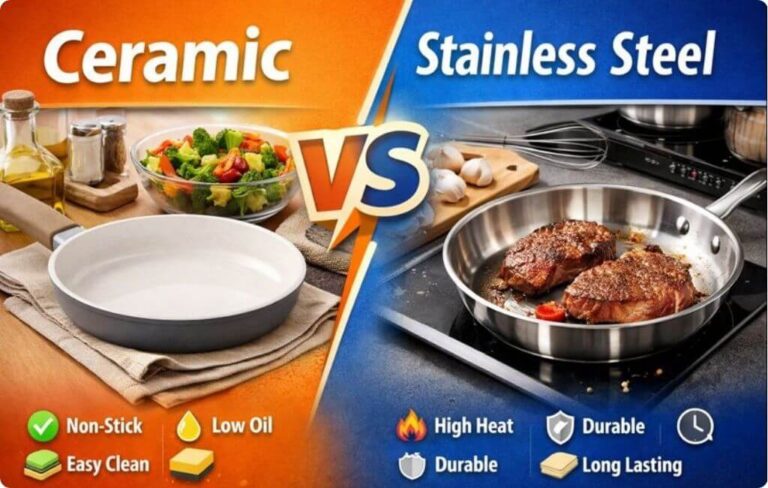
Ceramic vs Teflon vs stainless steel — safety, durability, and performance comparison
| Feature | Ceramic-coated pans | PTFE/Teflon pans | Stainless steel |
| Typical chemical risk (PFAS) | Low if PFAS-free coating | Higher (PTFE and related PFAS in some older coatings) | None |
| Heat tolerance | Medium–high (varies) | Medium (danger when overheated) | Very high |
| Durability | Medium (wears with time) | High (if not overheated or scratched) | Very high |
| Nonstick performance (new) | Very good initially | Excellent | Poor without fat/oil |
| Suitable for high-heat searing | Not ideal | Not ideal | Best |
Sources and testing consistently show ceramic and stainless steel as safe choices for PFAS-avoidance, with stainless steel winning on durability and high-heat capability. Consumer Reports and other lab tests have recently favored ceramic and stainless steel as safer consumer choices in the wake of PFAS scrutiny.
How long will a ceramic pan remain safe to use? (real lifecycle guidance)
A simple usable lifecycle estimate — your mileage will vary with brand and use:
- 0–6 months (New): Best performance and lowest risk — coatings intact, easiest to clean.
- 6–24 months (Regular home use): Nonstick performance will decline; visual wear or light scratching may appear. Still safe for food contact if coating is intact and not peeling.
- 2+ years (Heavy use) or visible flaking: Time to replace — if you see flakes, deep scratches, or peeling, stop using the pan for food.
Why this matters: ceramic coatings are thin; they provide nonreactive surfaces while intact. Once the surface is compromised, both performance and (potentially) safety are affected. Some premium pans hold up longer; cheap ones fail sooner.
How to use ceramic cookware safely — practical rules
Follow these simple, high-impact habits:
- Use medium heat for most cooking. Don’t preheat an empty ceramic pan on high.
- Avoid metal utensils. Use wood, silicone, or nylon to prevent scratches.
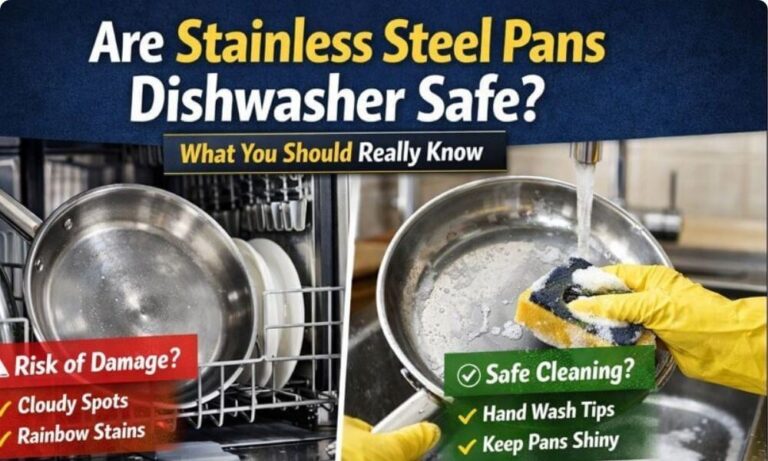
- Hand wash when possible. Dishwashers can accelerate wear (follow manufacturer instructions).
- Don’t store acidic foods long-term in coated cookware. If the coating is compromised, acids can interact with metal.
- Inspect visually each month. Replace pans showing flaking, deep scratches, or pieces of coating in the pan.
- Check the oven rating. Some ceramic pans are oven-safe to a degree; check the max temperature (often 350–550°F / 177–288°C depending on brand).
These habits will both maximize the lifespan and minimize any chance of contaminant migration.
How to choose genuinely safe ceramic cookware — buyer checklist
When selecting a ceramic pan, look for the following. This checklist helps you avoid marketing claims that lack proof.
Must-have checks
- Explicit PFAS/PTFE/PFOA-free statement and third-party lab testing or a public statement of testing methodology. Consumer Reports and other testing labs have been calling for transparency — choose brands that report results.
- Food-contact certification or testing (FDA guidance or LFGB / EU testing for migration of lead/cadmium if applicable). Brands that publish LFGB or EU test reports are preferable for buyers in regions where those standards apply.
- Clear material disclosures — if the pan uses a sol-gel silica coating, that should be described; avoid vague “non-toxic” claims without details.
- Warranty and transparency — longer warranties and clear maintenance guidance usually correlate with better manufacturing controls.
Nice-to-have
- Third-party lab report link on the product page.
- Made in a country with known manufacturing controls (not always necessary but often reduces risk of low-quality raw materials).
- Retailer or brand with good return policy if product under-performs.
Red flags
- No safety claims at all (vague marketing only).
- Extremely low price with no brand or testing info.
- “100% ceramic” label for what is clearly a metal pan unless clarified (could be deceptive).
Best uses for ceramic cookware — and when to avoid it
Great for:
- Low-to-medium heat cooking (eggs, pancakes, fish, vegetables)
- Quick sauté with little oil
- Busy home cooks wanting easy cleanup early in the product life
Avoid for:
- Daily high-heat searing of steaks (use stainless steel or cast iron)
- Very heavy commercial use where durability is critical
- Dishes requiring metal utensils or metal-spoon scraping
FAQ
Q: Is ceramic cookware 100% non-toxic?
A: Not automatically. High-quality ceramic coatings are usually PFAS/PTFE/PFOA-free and low risk, but low-quality products (or damaged pans) can cause concerns. Choose tested brands and replace pans with flaking or deep scratches.
Q: Can ceramic cookware cause cancer?
A: There’s no direct evidence linking properly manufactured ceramic coatings to cancer. The bigger historical concerns relate to PFAS/PFOA and certain heavy metals in low-quality glazes — risks that responsible manufacturers and regulators specifically test for.
Q: Are ceramic pans better than Teflon for safety?
A: For avoiding PFAS/PTFE-related concerns, yes: ceramic coatings are typically PFAS-free. But ceramic coatings wear faster than high-quality PTFE and are not as durable for very high-heat tasks.
Q: Is it safe to use metal utensils on modern ceramic pans that claim “metal utensil safe”?
A: Only if the manufacturer explicitly states that and backs it with testing. Most ceramic coatings are still vulnerable to scratching from metal tools. Follow the brand’s instructions.
Q: How do I test if my ceramic cookware leaches heavy metals?
A: Home tests are limited. The most reliable approach is to choose pans with third-party lab results or certifications (LFGB, FDA guidance compliance, or independent lab tests) rather than attempt at-home chemical tests. Regulatory testing protocols simulate repeated use to estimate migration.
Final verdict — is ceramic cookware safe?
Short verdict: Yes — when you choose quality and use it correctly. Ceramic cookware gives many consumers a low-chemical, easy-to-use option for everyday cooking. Independent labs have often found ceramic-coated pans to be free of detectable PFAS where tested, and regulatory frameworks exist to catch lead/cadmium leaching in genuine ceramic ware.
However, not all ceramic products are equal: cheap or counterfeit items, poor manufacturing, overheating, or a damaged coating can create safety and performance problems